Chocolate and gianduja in Turin: museum, tasting or workshop?
Updated October 26, 2026 · 5 min read
Turin’s chocolate tradition is more than a souvenir shelf. The city’s tourism board traces chocolate at the Savoy court to the seventeenth century and the giandujotto to 1865. The familiar soft mixture combines cocoa, sugar and Piedmont hazelnuts. Today you can approach that history through a museum, a guided tasting or a hands-on class, and each offers something different.
The museum: best for context
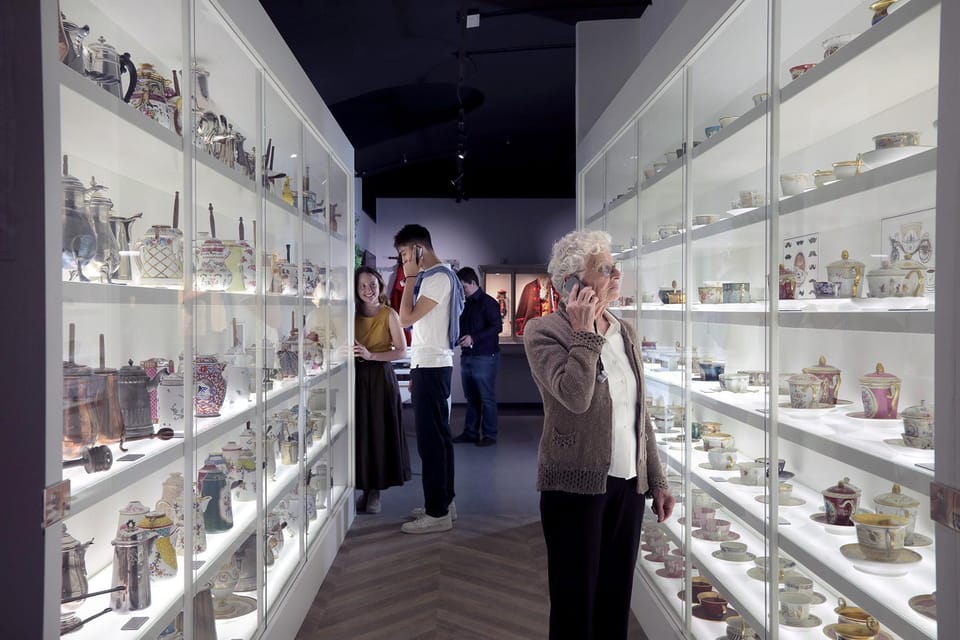
Choco-Story Torino occupies spaces below the historic Pfatisch pastry shop near Porta Nuova. The Chocolate and Gianduja Museum visit has a listed duration of one hour and starts at €12. Its description follows cocoa’s route to Europe and Turin, early recipes and chocolate production.
Choose the museum if you want a compact indoor activity, are travelling with mixed interests or would rather learn before tasting. The official tourism material mentions animations, more than 700 historical objects and guided samples, but check the booking page for exactly what your ticket includes. “Museum” does not automatically mean an unlimited tasting.
One hour makes it easy to combine with the centre. The location near Porta Nuova also suits an arrival or departure day, provided you leave a buffer for luggage and transport.
A tasting: best for comparison
A guided tasting shifts attention from chronology to flavour. Turin listings include chocolate-only tastings as well as pairings with wine or savoury food. Read the included products carefully: gianduiotto, pralines, hot chocolate and bicerin are related parts of Turin’s sweet culture, not interchangeable names for one item.
Choose a tasting if you already know the basic history and want someone to explain texture, cocoa intensity and the role of hazelnuts. It is usually more social than the museum but offers less visual context. Dietary needs and allergens should be confirmed directly with the operator before booking; hazelnuts are fundamental to gianduja.
A workshop: best for participation
Workshops suit travellers who want to make something rather than only observe. The Turin selection includes short chocolate sessions as well as longer classes. Check whether the activity involves tempering, moulding or simply decorating, what you take away and which language is used.
Children may enjoy a practical format, but do not infer participation ages. Operators set their own limits, and hot equipment or a long explanation can change what is appropriate. The booking page is the source for the selected class.
What gianduja actually means
Gianduja is the chocolate-and-hazelnut mixture; gianduiotto is the individual Turin chocolate traditionally shaped like an upturned boat. The official local account dates its formal appearance to 1865 and connects its name with the Piedmontese carnival character Gianduja. That distinction helps when a shop offers gianduja spread, a gianduiotto and a hazelnut praline side by side.
Historic cafés and artisan shops can provide an excellent unguided route, but buying one item in several places adds up. Set a small tasting plan rather than treating every window as compulsory. Quality is not measured by the most ornate packaging.
Which experience gives the best value?
For first-time visitors, the one-hour museum is the clearest foundation and the lowest listed starting price among these structured options. A tasting is better for adults focused on flavour, while a workshop creates the most active memory but uses more time and usually costs more.
Do not schedule several chocolate activities on the same day simply because they are close together. Museum plus one carefully chosen café is enough for most people. Turin’s chocolate is richer when it remains a pleasure rather than becoming an endurance test.